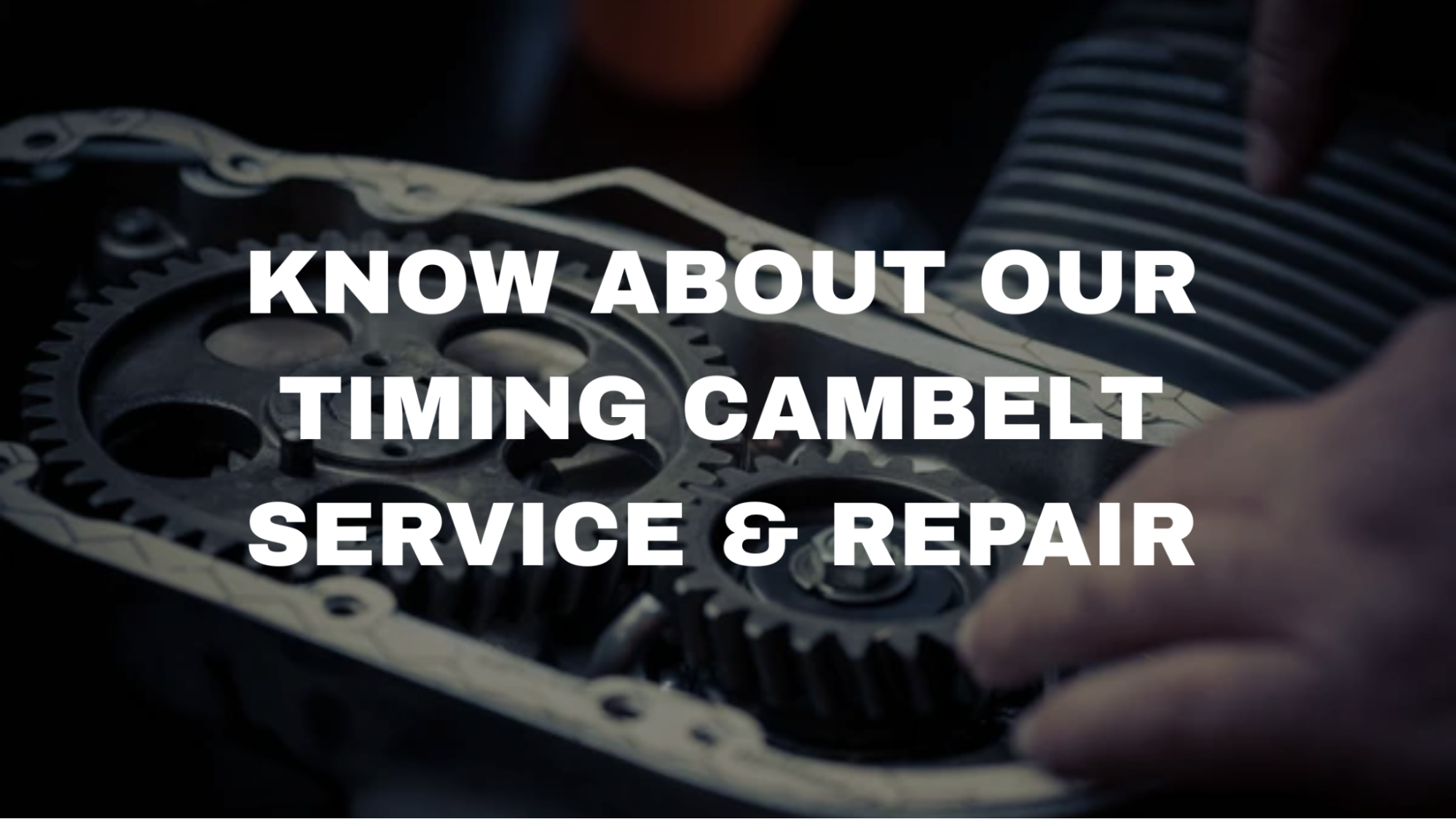
Know About Your Timing CamBelt Service & Repair
Your car's cambelt (timing belt) is critical for engine performance and preventing catastrophic damage. If you need same-day cambelt replacement in Graham Street, Edinburgh, understanding how cambelts work, replacement intervals, and warning signs can save you from expensive engine repairs. This guide provides essential information to help you maintain your vehicle and avoid breakdown.
What Is a Cambelt and Why Is It Critical?
The cambelt, also known as a timing belt, is a reinforced rubber belt that synchronises the rotation of your engine's crankshaft and camshaft. This precise timing ensures that your engine's valves open and close at exactly the right moments during each cylinder's intake and exhaust strokes.
A properly functioning cambelt maintains correct engine timing, prevents valve and piston collision, ensures optimal engine performance, and protects critical engine components from damage.
When a cambelt fails, the consequences can be severe. In interference engines (the most common type), a broken cambelt causes pistons to collide with valves, resulting in bent valves, damaged pistons, cylinder head damage, and potentially complete engine failure requiring replacement.
Ignoring cambelt replacement intervals is one of the most expensive maintenance mistakes you can make, often resulting in repair bills worth thousands of pounds.
How Often Should a Cambelt Be Replaced?
Cambelt replacement intervals vary by manufacturer, but most vehicles require replacement between 40,000 and 100,000 miles, or every 4 to 10 years, whichever comes first.
Your vehicle's handbook provides the specific interval for your make and model. Edinburgh's stop-start traffic and varied driving conditions mean age-related deterioration can be just as important as mileage.
General guidance:
- Most modern vehicles: 60,000 to 80,000 miles or 5 to 7 years
- Older vehicles: 40,000 to 60,000 miles or 4 to 5 years
- Always check your manufacturer's recommendations
The cambelt is often replaced alongside the water pump, tensioners, and auxiliary belts to prevent future issues and reduce labour costs.
Common Signs Your Cambelt Needs Replacement
While cambelts often fail without warning, your vehicle may show subtle indicators that replacement is due.
Common warning signs include:
- Visible cracks, fraying, or glazing on the belt surface
- Ticking or clicking noises from the engine timing area
- Engine misfiring or running roughly
- Oil leaking near the timing belt cover
- Engine won't start (if the belt has already failed)
- High mileage approaching manufacturer's replacement interval
If your cambelt is due for replacement or you notice any warning signs, booking a same-day cambelt replacement in Edinburgh prevents catastrophic engine failure and protects your investment.
What Happens During a Same-Day Cambelt Replacement?
A professional same-day cambelt replacement is a precise procedure that requires specialist knowledge and proper tools.
The process begins with a full inspection of the timing system, including the cambelt condition, tensioners, idler pulleys, and water pump. The mechanic then removes engine covers and auxiliary components to access the timing belt area.
The old cambelt is carefully removed, and the engine timing marks are aligned to factory specifications. New components are fitted, including the cambelt, tensioners, and often the water pump (as it's driven by the cambelt and accessed during the same procedure).
The system is reassembled, timing is verified, and the engine is test-run to ensure smooth operation. Depending on the vehicle, most cambelt replacements can be completed within the same day.
Benefits of Choosing a Same-Day Cambelt Replacement Service
Same-day cambelt replacement is essential for drivers who cannot afford extended downtime or want peace of mind that their engine is protected.
Key benefits include:
- Prevents catastrophic engine failure and costly repairs
- Restores confidence in your vehicle's reliability
- Eliminates risk of breakdown during daily driving
- Maintains vehicle value through proper maintenance records
- Ensures compliance with manufacturer service schedules
This service is particularly important if you've recently purchased a used vehicle with uncertain service history or if you're approaching your manufacturer's recommended interval.
Cambelt Replacement and MOT Preparation
While the MOT test doesn't specifically check cambelt condition, a failed cambelt can cause engine damage that results in emissions failures, warning lights, or engine performance issues that lead to MOT failure.
Addressing cambelt replacement before your MOT helps ensure your engine runs smoothly, prevents emissions-related failures, maintains proper engine timing and performance, and demonstrates proper vehicle maintenance.
A well-maintained timing system contributes to overall vehicle reliability and MOT readiness.
Choosing the Right Cambelt Components
Using correct, manufacturer-approved cambelt kits is essential for engine safety and longevity. Different engines require specific belt specifications, tensioner designs, and installation procedures.
A professional garage will always use original equipment (OE) or equivalent-quality cambelt kits, replace tensioners and idler pulleys as part of the service, consider water pump replacement to avoid future labour costs, and follow precise manufacturer timing procedures.
Cheap, aftermarket timing belts can fail prematurely and void engine warranties, making quality components a worthwhile investment.
Why Regular Cambelt Replacement Saves You Money
Delaying cambelt replacement is a false economy that often leads to complete engine failure, repair costs exceeding £2,000-£5,000 for interference engines, vehicle off-road for extended periods, and potential total loss if repair costs exceed vehicle value.
Regular cambelt replacement helps:
- Protect your engine from catastrophic damage
- Maintain vehicle reliability and resale value
- Provide peace of mind during daily driving
- Avoid breakdown recovery and hire car costs
The cost of a cambelt replacement is minimal compared to the cost of engine rebuilding or replacement.
Why Choose DZR Auto Repair
- Experienced local mechanics with timing belt expertise
- Honest pricing with no hidden costs
- Same-day cambelt replacement availability
- High-quality OE or equivalent parts and professional workmanship
- Trusted by drivers across Edinburgh for critical engine services
Explore our full range of car repair services or book your MOT test today.